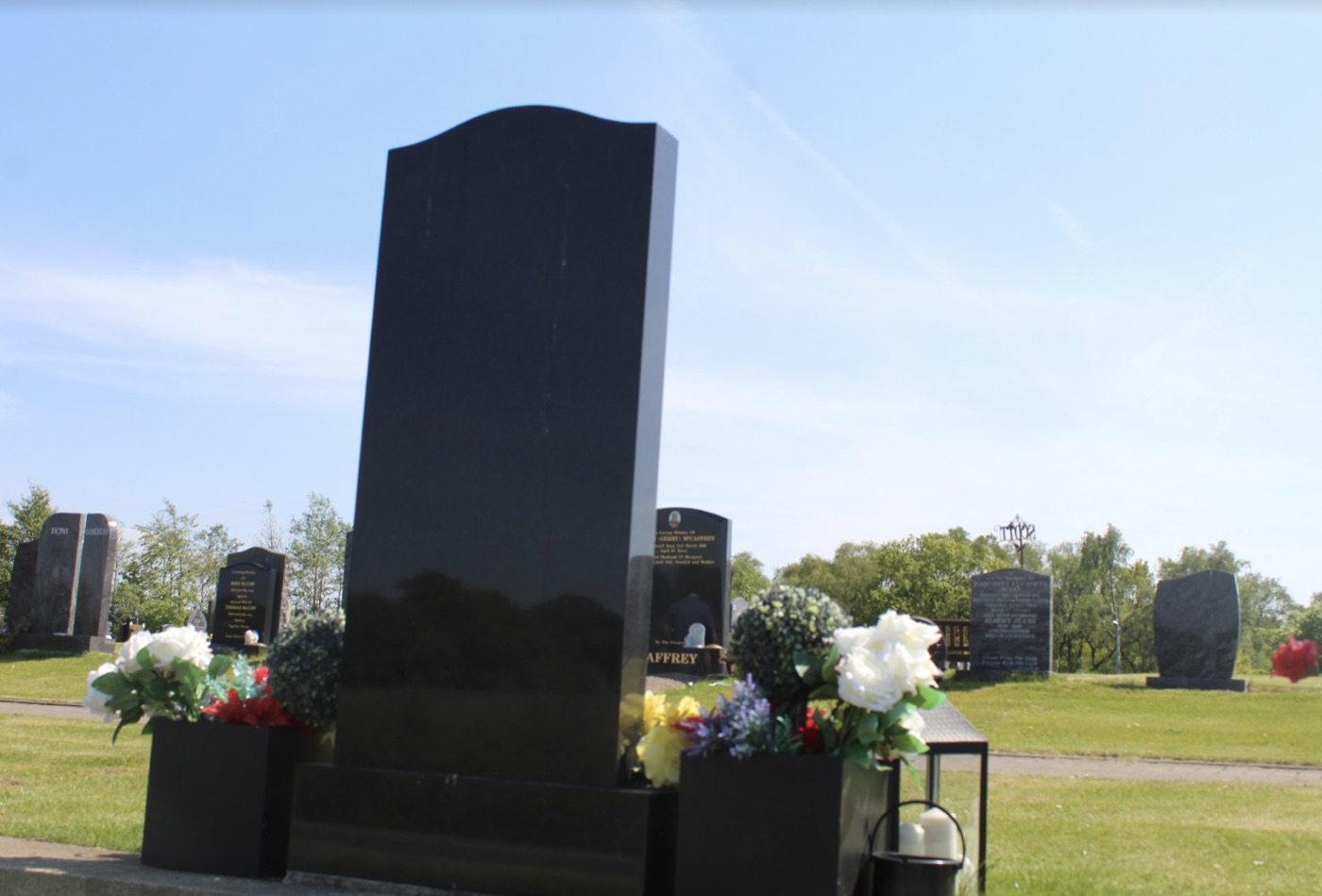
In Scotland, a lair is a grave plot, and buying one buys the right of burial in it, not the ground itself. The lair certificate is the document that records who holds that right. The lair holder, or someone with their authority, is the person who can agree to a burial, a memorial or any work on the stone.
What is a lair, and who owns a grave in Scotland?
"Lair" is the Scottish word for a grave plot in a cemetery. Each lair has a number and usually a section, which the cemetery uses to record where it is and who is buried there. A lair may hold one burial or several, and many family lairs in Glasgow hold two or three generations.
When families talk about "our grave" or "the family plot", they almost always mean the lair. Who owns it is one of the most common questions we're asked, and the answer surprises some people. When a lair is bought, what is bought is the right of burial: the right to decide who may be buried in that lair, and to place a memorial on it, within the cemetery's rules. The ground itself stays with the council or the body that runs the cemetery.
The person who holds that right is known as the lair holder. Some councils use slightly different wording, such as "right of burial holder" or "owner of the burial rights", but the idea is the same.
Burial law in Scotland was updated by the Burial and Cremation (Scotland) Act 2016, which modernised a number of the rules around burial rights and burial grounds. How the changes apply in practice can depend on the council and on when the lair was bought, so we always confirm the current position for your cemetery rather than relying on general rules.
What is a lair certificate?
The lair certificate is the paper record, issued by the council or cemetery, that shows who holds the right of burial in a particular lair. It usually shows:
- the cemetery name;
- the lair number and section;
- the name of the lair holder;
- the date the right was granted.
The certificate is useful to keep safe, but councils also keep their own register of lairs and lair holders, and that register is what they generally work from.
Why does the lair holder matter for a headstone?
Only the lair holder, or someone they have authorised, can agree to a memorial being placed on the lair or to work on an existing stone. That includes a new headstone, an additional inscription, re-fixing a leaning stone and most restoration.
When we apply to the council for a memorial permit, the lair holder's details form part of the application, and the council will check them against its records. This is why we ask about the lair early on. It avoids delays later, and it means nothing is designed that can't then be approved. Our guide to cemetery rules and permits around Glasgow covers the permit side in more detail.
What happens if the lair holder has died?
This is very common, particularly with older family lairs. Often the lair holder was a grandparent or great-grandparent who bought the lair many years ago. The right of burial doesn't simply disappear; it can be transferred to a living person, usually a member of the family.
Each council has its own process, but it generally involves applying to the bereavement services and providing some supporting documents. Depending on the council and the circumstances, these might include:
- the death certificate of the lair holder;
- a copy of the will, or confirmation (the Scottish equivalent of probate), showing who is entitled to the right;
- a declaration or form signed by the person applying, and sometimes by other family members;
- the original lair certificate, if you have it.
Where there was no will, or the lair was never mentioned in one, councils usually have a way of handling that too, often through a declaration. The exact documents, any fees and the time it takes vary between councils, so it's best not to gather anything until you know what your council needs. We confirm that for you.
What if the lair certificate has been lost?
Please don't worry if it has. Certificates go missing all the time, especially when a lair was bought decades ago. Because the council keeps its own register, the record of who holds the right is not lost with the paper.
Most councils can issue a replacement certificate, usually after checking the applicant's details, and some may charge a small fee. If the lair holder has also died, the replacement and the transfer can often be dealt with together.
How many burials can a lair hold?
It varies. The number depends on the size and depth of the lair, the ground conditions, the cemetery's rules, and how many burials have already taken place. Some lairs were bought for several burials; others for one or two. Many lairs can also take the interment of ashes, sometimes even when there is no space left for a full burial.
The council's bereavement services can tell you how much space remains in a particular lair. If you're thinking about the future of a family lair, it is well worth asking. If you're considering interring ashes, our guide to cremation memorials may be helpful.
A quick summary
| Question | Short answer |
|---|---|
| What does buying a lair give you? | The right of burial, not the land. |
| Who can authorise a memorial? | The lair holder, or someone with their authority. |
| Holder has died? | The right can usually be transferred through the council. |
| Certificate lost? | The council can usually issue a replacement. |
| How many burials? | It varies; the council can confirm the space left. |
How we can help
Lair paperwork is part of the permit process, and helping families through it is part of our job. When you come to us for a new headstone, an inscription or restoration, we check who holds the lair, explain what the council will need if it has to be transferred, and help you put it together. The council's permit fee is included in our price, and we submit the permit application for you. You can read how the whole process fits together on our process page.
If you're unsure who holds a family lair, or you have an old certificate and aren't sure what it means, we're glad to take a look. Call us on 0141 762 3733, send us a message, or bring your papers to our display yard at 5 Crosshill Road, Bishopbriggs, G64 2PZ. There's no need for an appointment.
Questions families often ask
Can more than one person hold a lair?
Some councils allow rights to be held jointly or recorded in a particular way. We confirm what your council permits.
Can I sell or give away a lair?
Councils generally have their own rules on transferring unused rights. Ask the bereavement services, or ask us and we will find out for your cemetery.
How long does a lair transfer take?
It varies between councils and depends on the documents needed. We can usually give you an idea once we know the cemetery.
Is there a charge to transfer lair rights?
Some councils charge a fee for a transfer or a replacement certificate. We confirm any charge for your council before you apply.
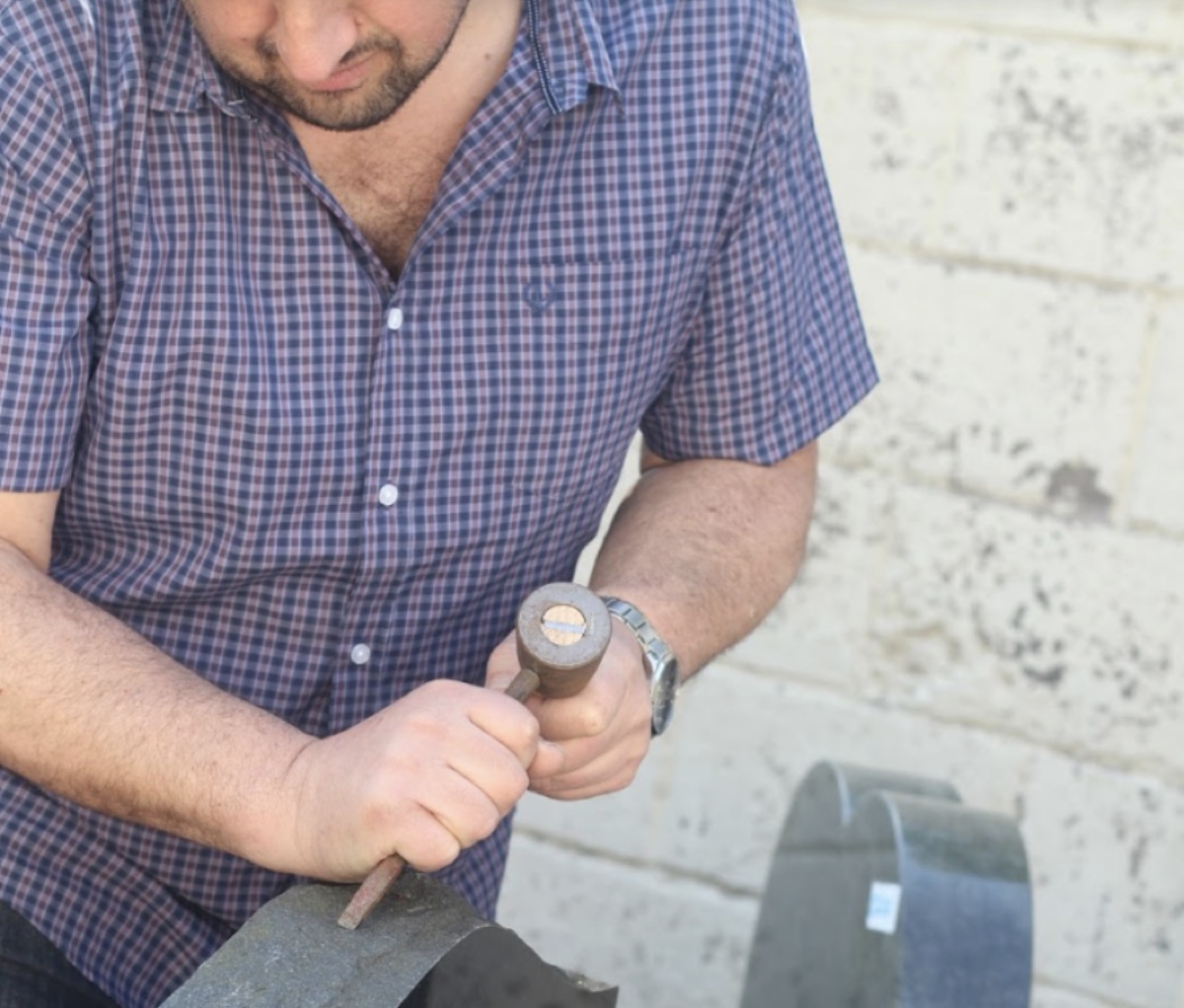
Written by Charles Lipton, third-generation memorial mason with forty years in the trade. The Lipton family has made and cared for memorials across Glasgow since 1927. Read our story.