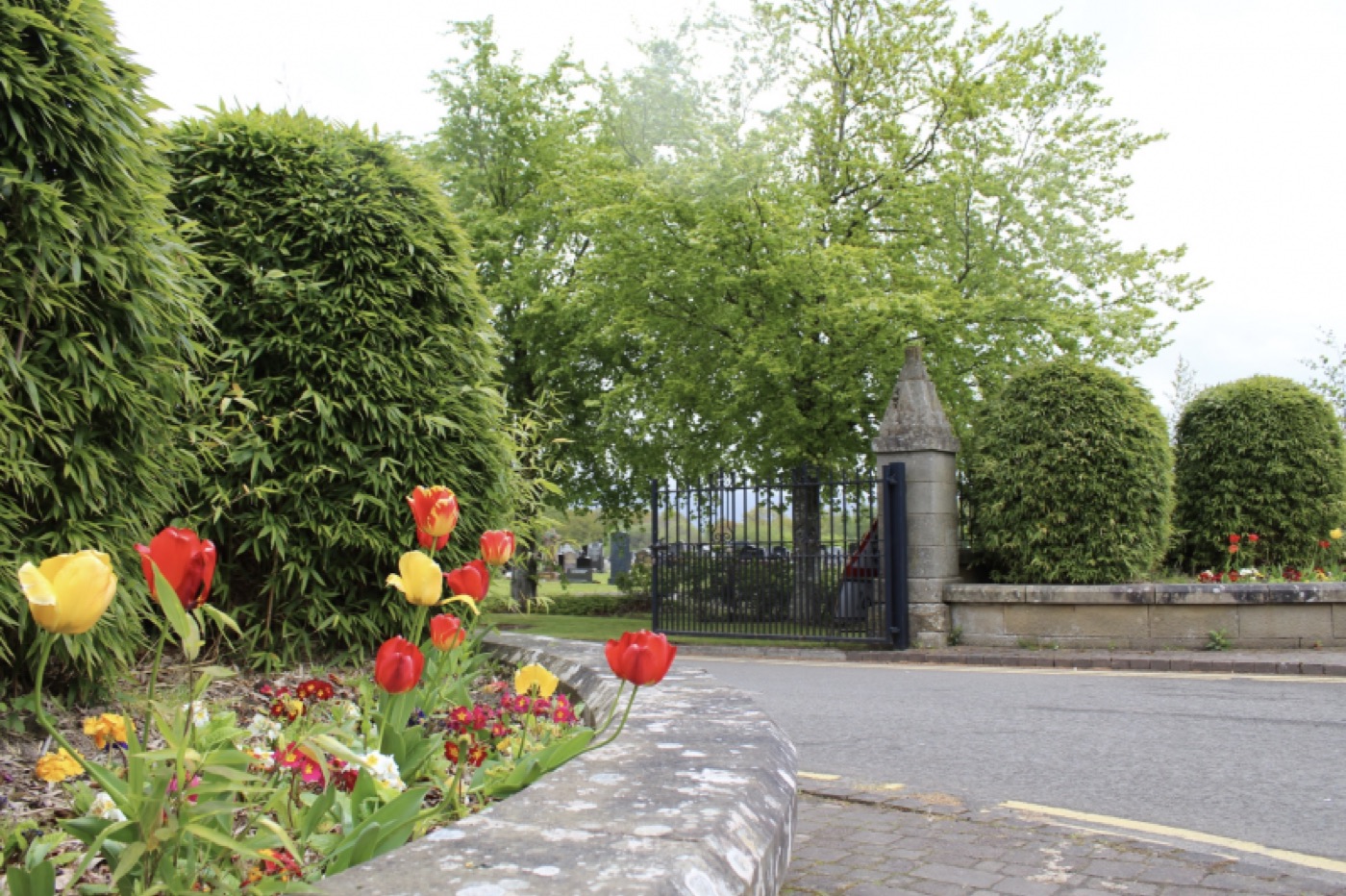
To find a family grave in Glasgow, start with what you already know: the person's full name, roughly when they died, and the area they lived in. The death record will usually confirm the date, and with that, the council's bereavement services or the Glasgow City Archives can often point you to the cemetery and the lair. It can take a little patience, but most graves can be found.
What should I gather before I start looking?
Every search is easier with a few facts written down in one place. You don't need all of them. Even two or three can be enough to begin.
- The full name, including a middle name and, for married women, a maiden name.
- An approximate date of death. A year, or even a decade, is a useful start.
- Where they lived, the parish, district or street if you know it. Families tended to be buried near where they lived and worshipped.
- Other family members who might share the grave. Older lairs often hold several generations, so a parent or grandparent can lead you to the same plot.
- Family papers. Old funeral cards, receipts, letters and lair certificates tucked away in a drawer can name the cemetery outright.
It is also worth asking relatives, especially older ones. A cousin may remember visiting the grave as a child, or know which side of the cemetery it was on. Memory is often the quickest record of all.
How do I confirm the date and place of death?
In Scotland, deaths have been registered by law since 1855. The statutory registers are held by the National Records of Scotland and can be searched through ScotlandsPeople, the official government website for Scottish family history records. Searching the indexes is straightforward, though there is a charge to view some records.
A death entry confirms the exact date and the place of death, and usually the person's address, age and parents' names. It will not always tell you where they were buried, but it narrows the search a great deal. Once you know the date and district, you can ask the right people the right question.
Who holds burial records for Glasgow cemeteries?
For council cemeteries, the burial and lair registers are kept by the council's bereavement services. This is usually the most direct route. Contact the bereavement services for the council area where the person lived or died, give them the name and an approximate date of death, and ask whether they can find a burial record.
If they find it, the record will normally show the cemetery, the lair number and the section, and sometimes who else is buried in the same lair. Councils each have their own way of handling enquiries, and some may charge for searches, so it is worth asking how they prefer to be contacted.
Not every burial ground is run by a council. Some older cemeteries were built and run by private companies or churches, and their records may now be held elsewhere. If the council can't find a record, that is often why, and it doesn't mean the grave is lost.
What can the Glasgow City Archives and local societies help with?
Glasgow City Archives, based at the Mitchell Library, holds a wide range of historic records for the city. Depending on the cemetery and the period, this can include older burial registers and related papers. The archive staff are well used to family history enquiries, and it is sensible to contact them before a visit to check what they hold for the cemetery or period you're interested in.
Records from different periods and different burial grounds survive in different ways, so one source rarely holds everything. Working between the death register, the council and the archives is the usual pattern.
Beyond the official records, local family history societies across Glasgow and the west of Scotland have members with years of experience in exactly this kind of search, and many are glad to help newcomers. Over the years, volunteers in many areas have also transcribed the inscriptions on gravestones in their local cemeteries, and some of these transcriptions have been published or put online. A search for the cemetery name alongside the word "inscriptions" can sometimes turn up a surprising amount.
These sources are best used alongside official records rather than in place of them. A transcription tells you what a stone says; the council's register tells you who holds the lair and who is buried there.
What is a lair number, and why does the lair holder matter?
A lair is the grave plot itself. Each lair has a number, and usually a section or compartment, which lets you or the cemetery staff find it on the ground. The lair number is the most useful single fact you can have: with it, the grave can be found even in a very large cemetery.
The council's register will also name the lair holder, the person who holds the right of burial. This matters if you want to do anything to the grave, such as restore the stone or add a name, because only the lair holder, or someone with their authority, can agree to work on a memorial. If the lair holder died many years ago, the rights can usually be transferred. We explain how that works in our guide to lair certificates and burial rights in Scotland.
What can I do once I've found the grave?
Finding a family grave, sometimes after years of wondering, is often quietly moving. What happens next is entirely up to you, and many families simply visit. If you would like to do more, the usual choices are:
- Cleaning. Old stones gather dirt, moss and lichen, which can make lettering hard to read. Gentle, careful cleaning often brings an inscription back.
- Restoration. A leaning or fallen stone can be re-fixed on a proper foundation, and faded lettering can be re-gilded or re-cut. You can see what's involved on our restoration page.
- Adding a name. If there is space, a further name can be added to an existing stone, which is a lovely way to bring a family together again. Our guide to adding an inscription explains how.
- A new memorial. Where there was never a stone, or the old one cannot be saved, a new memorial can be placed, subject to the cemetery's rules.
Any work on a memorial in a council cemetery needs a permit. We handle that as part of the job, and our guide to cemetery rules around Glasgow explains the background.
How can we help you find a family grave?
Our family has worked in Glasgow's cemeteries since 1927, when Philip Lipton began selling small memorials from his shop on London Road in Bridgeton. Over nearly a century we have come to know the cemeteries in and around the city well, and we are always glad to help families who are trying to find a grave. We can't promise to find every one, but we will do our best, and we can often suggest where to look next.
It is quite possible, too, that an older family stone was made by one of our family. If you find one, we'd be very glad to see it.
Talk to us
If you're trying to trace a family grave, or you've found one and would like to know what can be done, give us a call on 0141 762 3733 or send us a message. You're also welcome to visit our display yard at 5 Crosshill Road, Bishopbriggs, G64 2PZ. Bring whatever notes and papers you have, and we'll sit down and go through them with you.
Questions families often ask
Does a Scottish death certificate say where someone is buried?
Not usually. It confirms the date, place of death and address, which is often enough for the council or archives to find the burial record.
What if the grave has no headstone?
Many lairs never had a stone, or the stone has been lost. The council's register can still confirm the lair number and location, and a new memorial can often be placed, subject to the cemetery's rules.
Can you help if the grave is outside Glasgow?
Yes. We work across East Dunbartonshire, Stirling, North and South Lanarkshire, Renfrewshire and East Renfrewshire, and are glad to help where we can.
Do I need to be the lair holder to visit a grave?
No. Anyone can visit. You only need the lair holder's authority to place a memorial or carry out work on the stone.
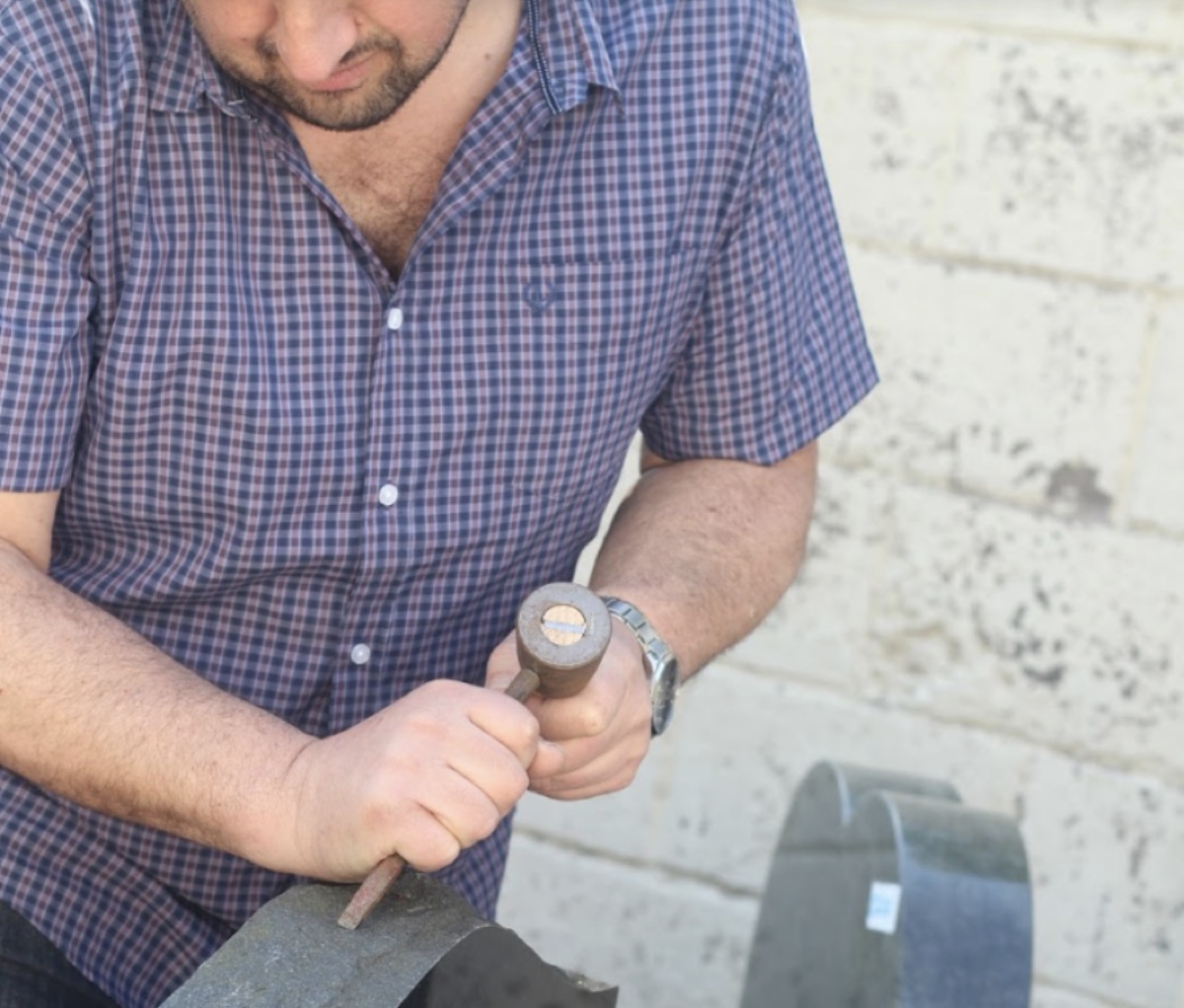
Written by Charles Lipton, third-generation memorial mason with forty years in the trade. The Lipton family has made and cared for memorials across Glasgow since 1927. Read our story.